WRITING / NOTE
The Heart Study I Joined 11 Years Ago Became OpenMHC
My Heart Counts, a study I joined in 2015, has grown into an open wearable-research infrastructure containing roughly 60 million hours of data.
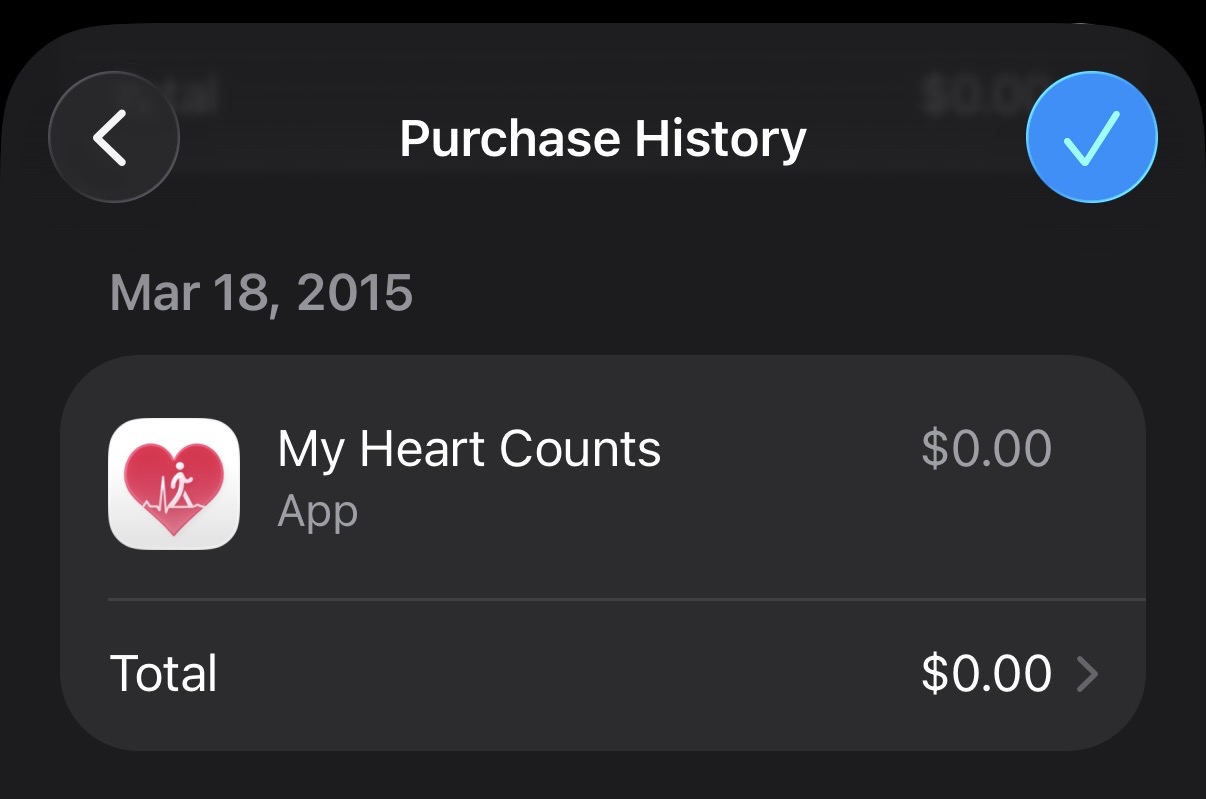
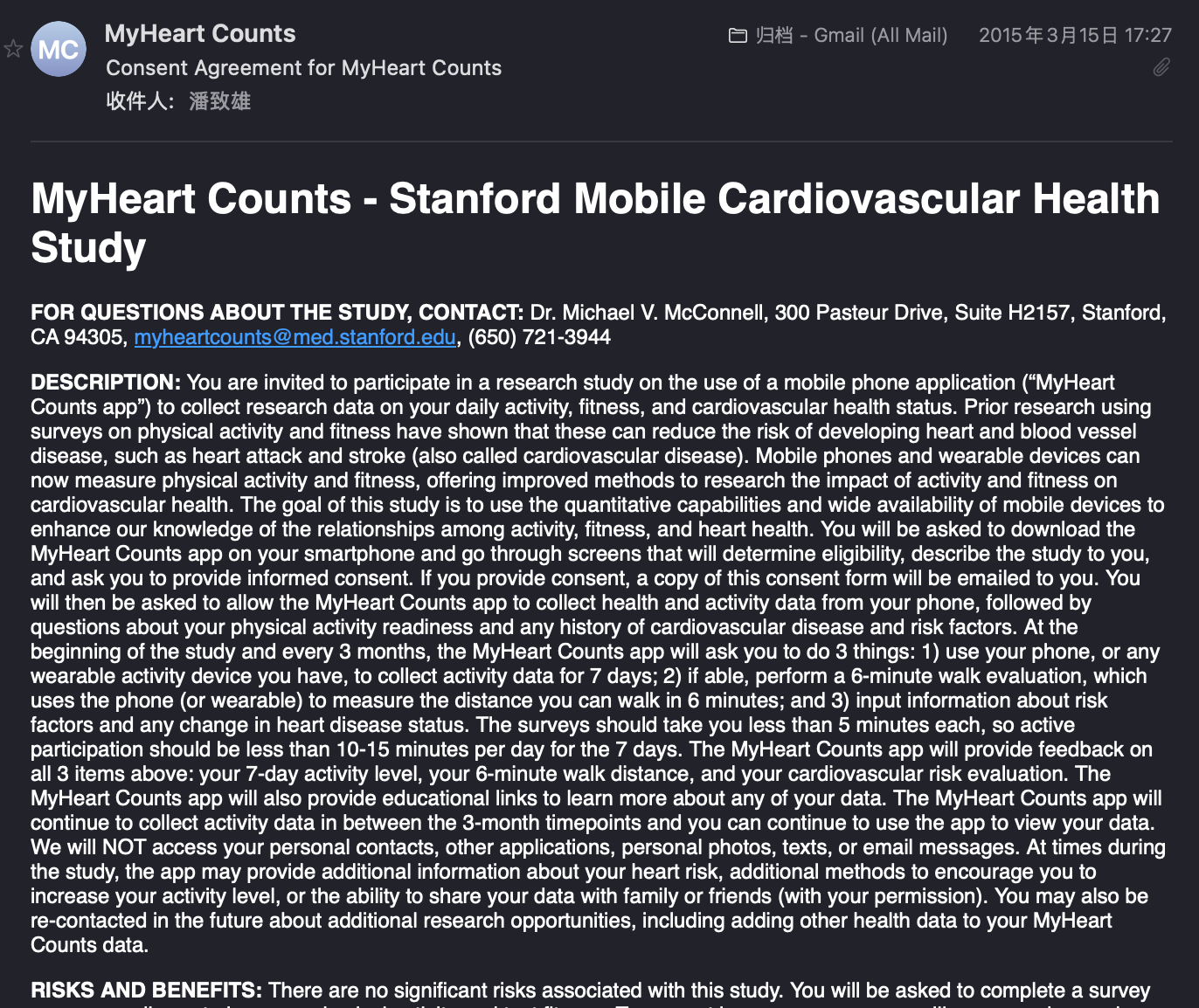
I never expected that My Heart Counts, the Stanford heart study I joined 11 years ago, would eventually become one of the largest public wearable datasets in existence.
I only discovered this recently. In June, a Stanford team released the OpenMHC preprint, systematically organizing more than a decade of wearable data accumulated through My Heart Counts and preparing it for access by the research community.
The dataset covers more than 10,000 participants and 19 data channels, totaling roughly 60 million hours. The data comes from iPhones, Apple Watches, and other devices connected through HealthKit. Even after compression, the complete dataset is still nearly 40 GB. Applications for access will open after the paper is formally accepted.
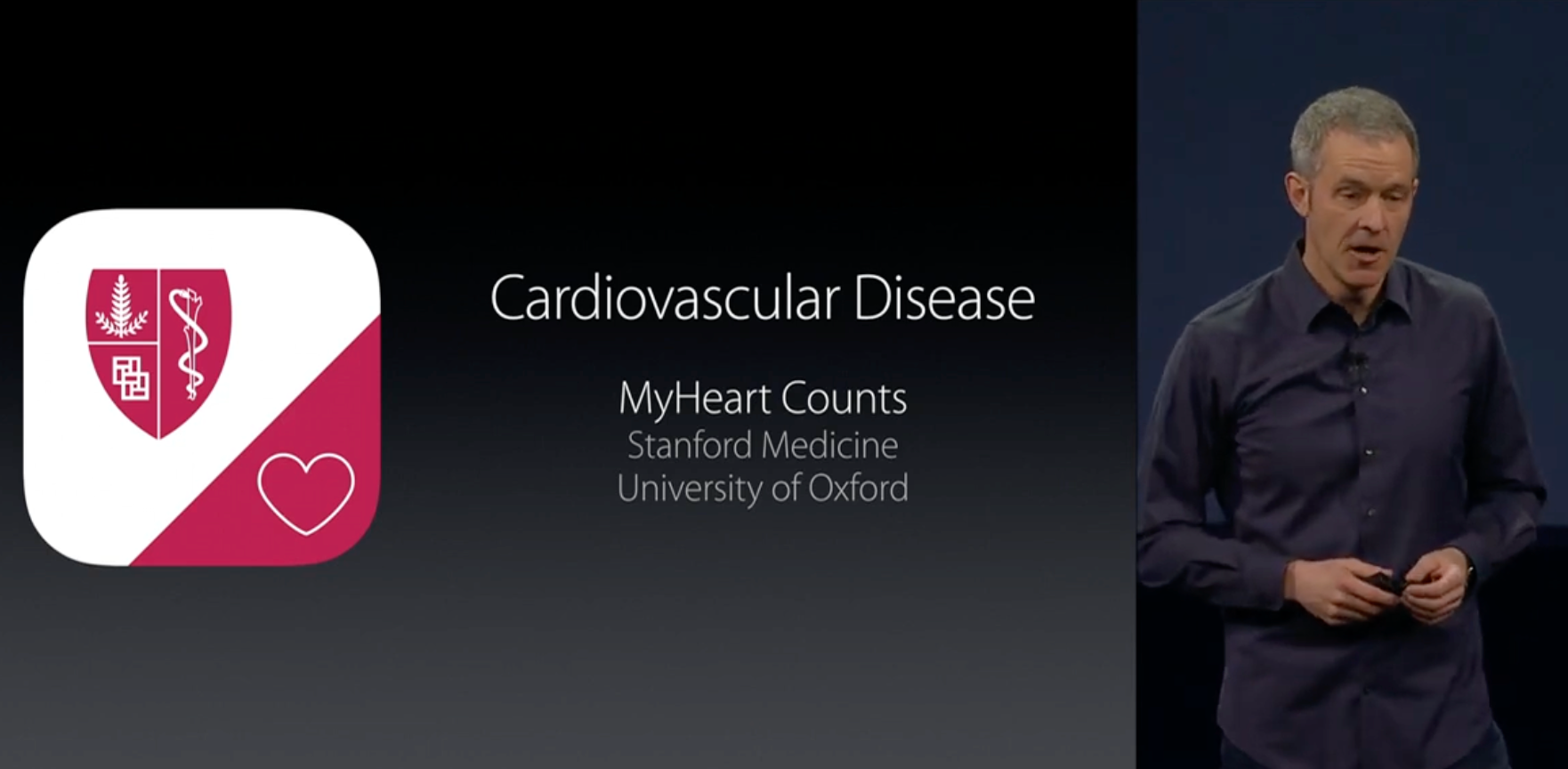
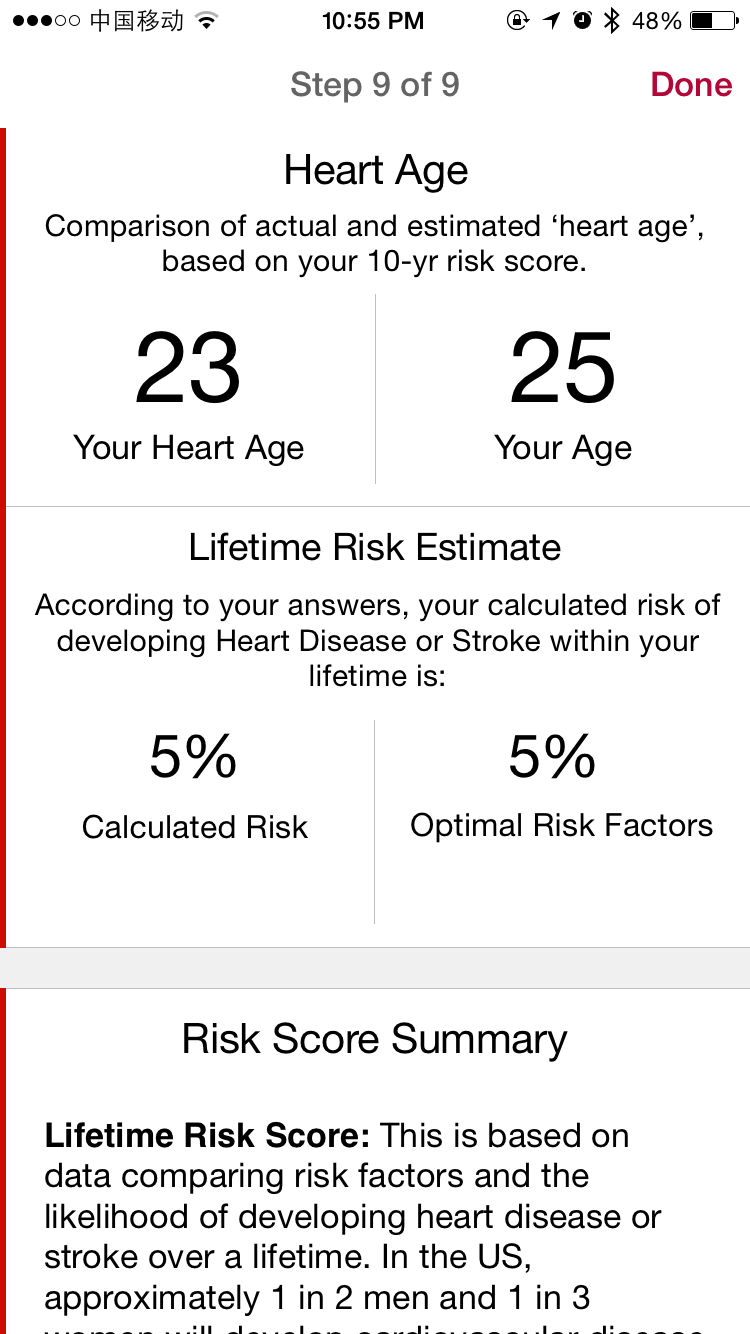
My Heart Counts was first announced at Apple’s March 2015 event as a collaboration between Stanford University and Apple. The Apple Watch had not even officially launched at the time, so the study initially relied mainly on the iPhone. It collected activity data such as step count, walking and running distance, and flights climbed, along with some personal health information and a six-minute walk test.
The study later recruited more than 100,000 people. Of those, a little over 10,000 ultimately met the data requirements, completed enough of the study protocol, and agreed to share their data with researchers.
My Heart Counts continued to evolve, gradually incorporating the Apple Watch and additional HealthKit data sources. The range of data it collected became increasingly rich. A number of studies based on this dataset have now appeared in journals including JAMA Cardiology and The Lancet, producing several findings:
- A smartphone alone can support a real-world health study involving tens of thousands of people, although participant bias and long-term attrition remain serious limitations.
- Smartphone notifications can increase physical activity in the short term, but the average effect is often only a few hundred additional steps per day.
- Personalized activity recommendations may be more effective than simply telling everyone to walk 10,000 steps a day.
- People who recover more slowly after COVID also tend to recover more slowly in their daily walking and running distance, although the evidence here still comes from a relatively small sample.
- Long-running smartphone activity and heart-rate records may contain recognizable digital signals even before certain diseases are formally diagnosed.
The real breakthrough here may not simply be that we finally have a wearable dataset containing 60 million hours of observations.
More importantly, it proves something that still seemed unusually ambitious in 2015: consumer electronics can accumulate real-world health data continuously for years, with almost no change to ordinary people’s way of life, and eventually turn that data into research infrastructure that an entire scientific community can reuse.
Medical research has traditionally worked by recruiting a group of people and collecting a specific dataset to answer a specific question. This model is beginning to become: record people living in the real world over the long term first, then let future researchers keep asking new questions.
In that sense, the seemingly ordinary step counts, distances, and heart-rate readings we contributed 11 years ago are now becoming a new form of public research infrastructure.
Sources: https://arxiv.org/abs/2607.16235 https://jamanetwork.com/journals/jamacardiology/fullarticle/2592965 https://pubmed.ncbi.nlm.nih.gov/37794870/ https://www.nature.com/articles/s41746-023-00974-w
Originally published on X.